Principality Meaning in the Bible: Definition & Verse Examples
“Principality” in the Bible means a ruler or a ruling power. In the New Testament, it often refers to powerful spiritual beings, both good angels and evil forces, that have some kind of authority in the unseen world. It can also mean human rulers and governments.
The best-known verse is Ephesians 6:12: “For we wrestle not against flesh and blood, but against principalities, against powers.” In this article, we explain what principalities are in simple words, look at every key verse, and show why the Bible says Christians do not need to fear them.
What Does "Principality" Mean in Simple Words?
A principality is a ruler, or the realm and power of a ruler. The word comes from “prince,” meaning someone who rules.
In the Bible, “principality” can point to:
- Spiritual rulers – powerful beings in the unseen world, such as angels or demons
- Evil spiritual forces – those that work against God and His people
- Human rulers – kings, governors, and those in authority
- Rule or authority itself – the position of power, not just the person
Most of the time in the New Testament, the word is used in a spiritual sense.

What Is the Greek Meaning of Principality?
The Greek word translated “principality” is “arche” (said “ar-KAY”). It has two main meanings:
| Meaning of Arche | Example | English Word It Gives Us |
|---|---|---|
| Beginning, first | “In the beginning was the Word” (John 1:1) | “Archaeology” (study of beginnings) |
| First in rank, ruler | “principalities and powers” (Ephesians 6:12) | “Monarch,” “archangel” |
So a principality is someone or something that is first in rank. It holds a high place of authority.
Paul often pairs “principalities” with “powers.” The Greek word for “powers” is “exousia,” which means authority or the right to act. Together, they describe beings or forces that have both rank and authority.
Is a Principality Good or Evil?
It can be either. The word itself just means a ruler. Whether a principality is good or evil depends on the context.
| Good or Neutral Use | Evil Use |
|---|---|
| Created by Christ (Colossians 1:16) | Something we wrestle against (Ephesians 6:12) |
| Learning God’s wisdom through the church (Ephesians 3:10) | Defeated by Christ at the cross (Colossians 2:15) |
| Human rulers we should respect (Titus 3:1) | Cannot separate us from God’s love (Romans 8:38) |
The Bible teaches that all principalities were created good by God. Some rebelled against Him and became evil, working against God’s people. But every one of them is under Christ’s authority.
What Is the Difference Between Principalities and Powers?
The two words often appear side by side, and they overlap. A simple way to think of it:
- Principalities focus on rank, being first or high in position.
- Powers focus on authority, having the right to act and rule.
The Bible does not give a detailed chart of how these spiritual beings are organized. It simply uses these words to show that the unseen world is real and has different levels of authority.
What Are the Key Bible Verses About Principalities?
In the KJV, the word appears almost only in the New Testament, mostly in Paul’s letters. (The one Old Testament use, Jeremiah 13:18, speaks of royal crowns: “your principalities shall come down, even the crown of your glory.”) Here are the main verses.
Ephesians 6:12 – Our Real Battle
“For we wrestle not against flesh and blood, but against principalities, against powers, against the rulers of the darkness of this world, against spiritual wickedness in high places.”
Meaning: Christians face a spiritual battle. The real enemy is not other people. It is evil spiritual forces that work behind the scenes. That is why Paul tells believers to put on “the whole armour of God” (Ephesians 6:11).
Colossians 1:16 – Christ Created Them All
“For by him were all things created, that are in heaven, and that are in earth, visible and invisible, whether they be thrones, or dominions, or principalities, or powers: all things were created by him, and for him.”
Meaning: Every principality, good or evil, was created by Christ. None of them are equal to Him. They all exist under His authority.
Colossians 2:15 – Defeated at the Cross
“And having spoiled principalities and powers, he made a shew of them openly, triumphing over them in it.”
Meaning: At the cross, Jesus disarmed the evil powers. The picture is of a Roman general leading defeated enemies in a public victory parade. What looked like Jesus’ defeat was really His greatest victory. This shows Christ’s complete rule over all things, which we explain further in our guide on sovereign meaning in the bible.
Romans 8:38-39 – Nothing Can Separate Us
“For I am persuaded, that neither death, nor life, nor angels, nor principalities, nor powers, nor things present, nor things to come, Nor height, nor depth, nor any other creature, shall be able to separate us from the love of God, which is in Christ Jesus our Lord.”
Meaning: No spiritual power, however strong, can cut a believer off from God’s love. This is one of the most comforting promises in the Bible. It matches God’s promise never to leave His people, which we explain in our article on forsake meaning in the bible.
Ephesians 1:21 – Christ Is Far Above
Paul says God raised Jesus and seated Him “Far above all principality, and power, and might, and dominion, and every name that is named.” Jesus is not just a little higher than these powers. He is far above them.
Ephesians 3:10 – The Church Shows God's Wisdom
“To the intent that now unto the principalities and powers in heavenly places might be known by the church the manifold wisdom of God.”
Meaning: When people from every background come together in the church, it shows the spiritual world how wise and powerful God’s plan is.
Titus 3:1 – Respecting Human Rulers
“Put them in mind to be subject to principalities and powers, to obey magistrates, to be ready to every good work.”
Meaning: Here, “principalities” means human governments and rulers. Christians are called to respect authority and do good. Peter gives similar teaching about respecting those in charge, even when they are hard to work for (1 Peter 2:18). The KJV calls such masters “froward,” and we explain that word in our article on froward meaning in the bible.
Are Principalities a Rank of Angels?
The Bible lists words like thrones, dominions, principalities, and powers (Colossians 1:16), but it does not give a full ranking of angels.
Later Christian writers did create ranking systems. The best known comes from a writer called Pseudo-Dionysius around AD 500. He described nine “choirs” of angels, with Principalities as the seventh. This idea became popular in church art and tradition.
It is helpful to know about this tradition, but it is not spelled out in Scripture. The Bible’s main point is simpler: there are real spiritual beings with different levels of authority, and Christ is above them all.
Does the Old Testament Hint at Spiritual Principalities?
Yes. Daniel 10:13 gives a rare look behind the curtain. An angel told Daniel that “the prince of the kingdom of Persia withstood me one and twenty days” until “Michael, one of the chief princes, came to help me.”
Many Bible teachers see this “prince of Persia” as an evil spiritual ruler linked to that nation. This fits with Paul’s teaching that there are unseen rulers behind events in this world.
How Can Christians Stand Against Evil Principalities?
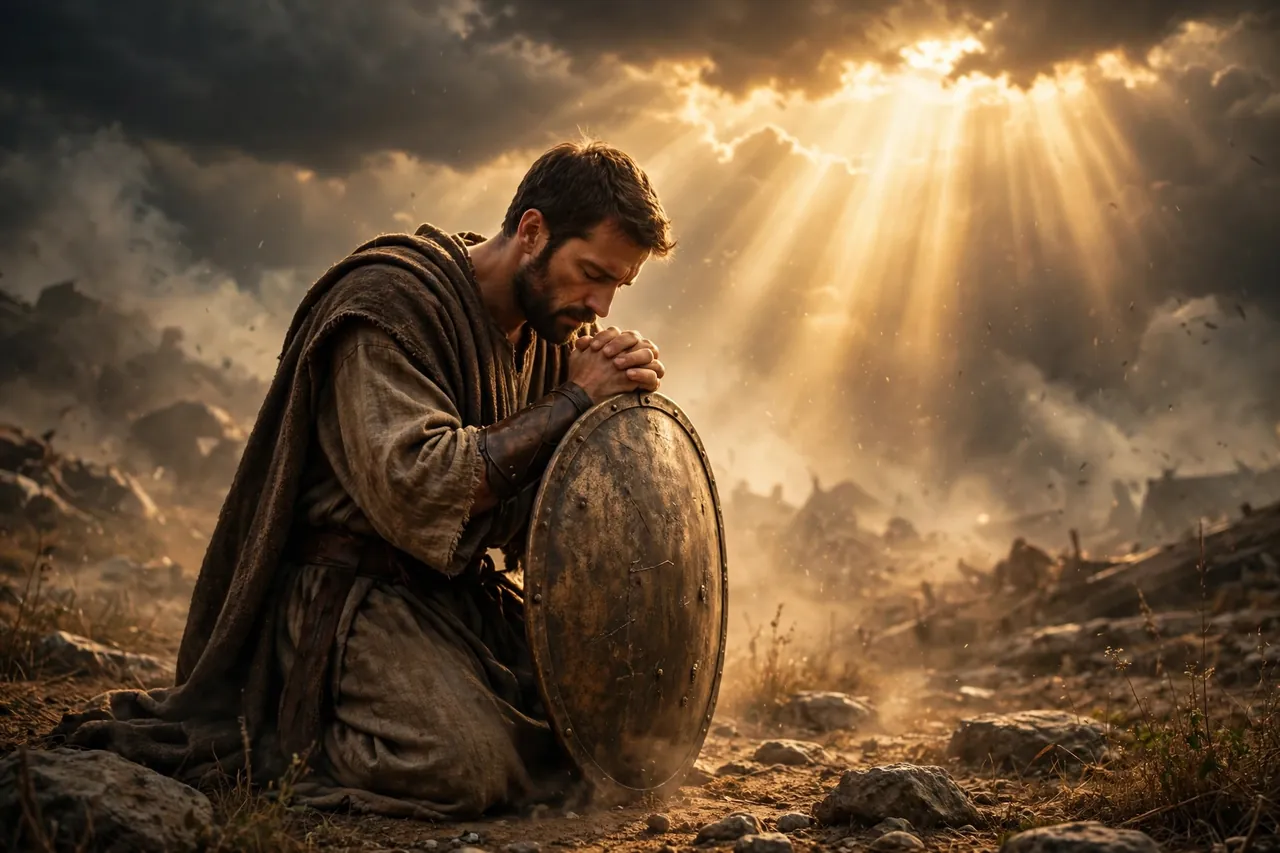
The Bible does not tell believers to be afraid. It tells them to stand firm in God’s strength. Ephesians 6:13-18 lists the “armour of God”:
| Armor | What It Stands For |
|---|---|
| Belt | Truth |
| Breastplate | Righteousness |
| Shoes | Readiness from the gospel of peace |
| Shield | Faith |
| Helmet | Salvation |
| Sword | The Word of God |
Paul ends this list with prayer: “Praying always with all prayer and supplication in the Spirit” (Ephesians 6:18).
Other verses add encouragement:
- “Resist the devil, and he will flee from you” (James 4:7).
- “Greater is he that is in you, than he that is in the world” (1 John 4:4).
Should Christians Fear Principalities?
No. Christians should take spiritual evil seriously, but they do not need to live in fear. Jesus has already won the victory (Colossians 2:15). He is seated far above every principality (Ephesians 1:21). And nothing can separate believers from God’s love (Romans 8:38-39).
How Do Modern Bibles Translate "Principalities"?
Newer versions use clearer words:
- “Rulers” – “against the rulers, against the authorities” (NIV, ESV, Ephesians 6:12)
- “Demons” – Romans 8:38 in the NIV
- “Rulers and authorities” – Titus 3:1 (NIV, ESV)
Is a Principality Also a Country?
In modern English, yes. A principality is a small country ruled by a prince, such as Monaco or Liechtenstein. This is a separate meaning. In the Bible, the word is about rulers and powers, usually spiritual ones.
Frequently Asked Questions
What does principality mean in the Bible?
A principality is a ruler or ruling power. In the New Testament, it usually means powerful spiritual beings, though it can also mean human rulers.
What does Ephesians 6:12 mean by principalities?
It means evil spiritual rulers that oppose God and His people. Paul says our real battle is against them, not against other people.
What is the Greek word for principality?
The Greek word is “arche,” which means first in rank, ruler, or beginning.
Are principalities angels or demons?
The word can describe either. Colossians 1:16 shows Christ created all principalities, while Ephesians 6:12 describes evil ones we stand against.
Did Jesus defeat the principalities?
Yes. Colossians 2:15 says Jesus “spoiled principalities and powers” and triumphed over them at the cross.
Can principalities separate us from God?
No. Romans 8:38-39 says no principality or power can separate believers from God’s love in Christ.
Conclusion
“Principality” in the Bible means a ruler or ruling power, usually in the unseen spiritual world. Some are evil forces that Christians wrestle against, as Ephesians 6:12 teaches. But the Bible is clear that Christ created every principality, defeated the evil ones at the cross, and now sits far above them all. For believers, the message is not fear but confidence: stand firm in God’s armor, pray, and trust that nothing can separate you from His love.
Related Word Meanings
Keep exploring the King James Bible, one word at a time: