Mirth Meaning in the Bible: Definition & Verse Examples
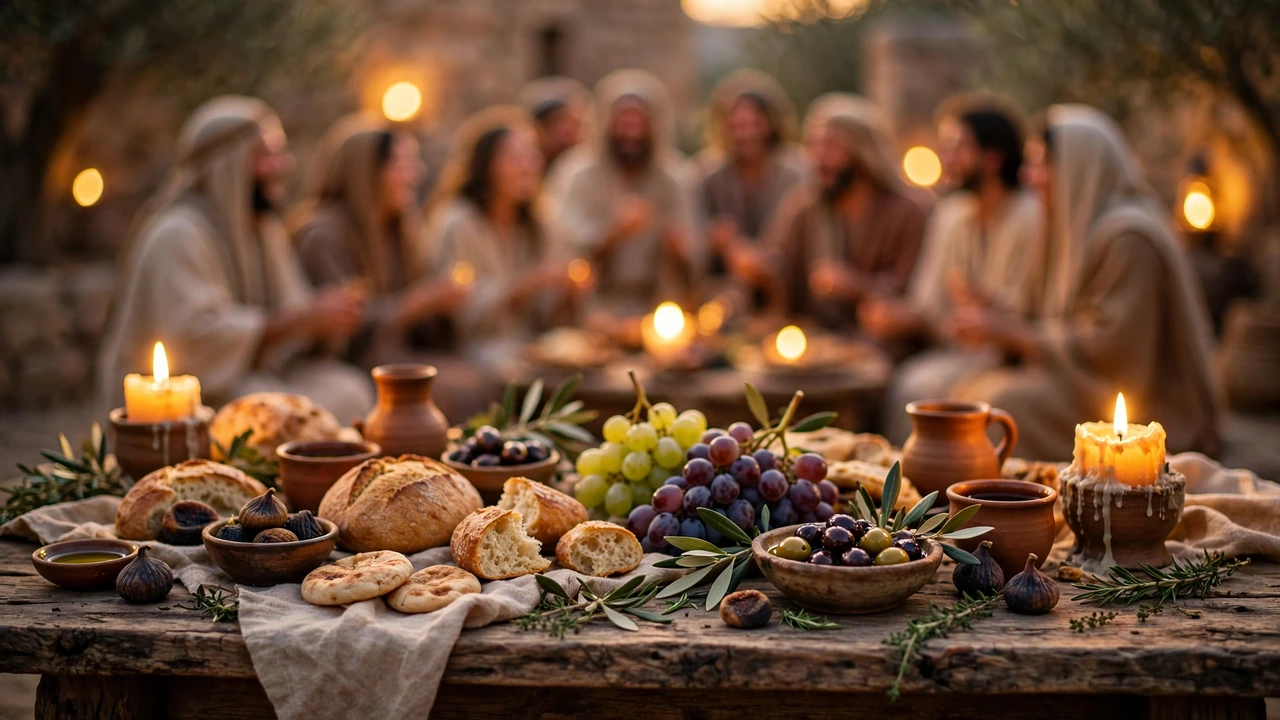
“Mirth” in the Bible means joy, gladness, and happy celebration that is often shown through laughter, music, and feasting. It describes the cheerful sound of people having a good time, like at a wedding or festival. The Bible shows that mirth can be a good gift from God, but it also warns that mirth without God is empty and does not last.
The word appears mostly in the King James Version (KJV). In this article, we explain what mirth means, where it appears, and what the Bible teaches about joy and laughter.
What Does “Mirth” Mean in Simple Words?
Mirth means happy, cheerful fun. It includes:
- Laughter – people laughing together
- Celebration – parties, feasts, and festivals
- Music and singing – happy songs and instruments
- Light-hearted joy – a cheerful, carefree mood
The English word comes from the Old English word “myrgth,” which is related to the word “merry.” So mirth is the feeling of being merry.
What Is the Hebrew Meaning of Mirth?
The KJV translates a few Hebrew words as “mirth.” The most common ones are:
| Hebrew Word | Meaning |
| Simchah | Joy, gladness, celebration |
| Masos | Delight, rejoicing, happy excitement |
“Simchah” is the most common word for joy in the Old Testament. It is still used in Jewish life today. For example, a “simcha” is a happy event like a wedding, and “Simchat Torah” is a joyful holiday that celebrates God’s Word.
This shows that mirth in the Bible is often tied to shared joy and celebration, not just personal fun.
Is Mirth Good or Bad in the Bible?
Mirth can be both, depending on its source.
- Good mirth comes from thankfulness to God and enjoying His gifts.
- Empty mirth comes from chasing pleasure while ignoring God.
The Bible does not condemn laughter or fun. In fact, it celebrates them. But it warns that pleasure alone cannot fill the heart.
Where Is Mirth Shown as Good in the Bible?
Nehemiah 8:12 – Great Mirth After Hearing God’s Word
“And all the people went their way to eat, and to drink, and to send portions, and to make great mirth, because they had understood the words that were declared unto them.” (KJV)
What it means: The people had just heard God’s law read out loud. At first, they cried. But Nehemiah told them to celebrate instead, because “the joy of the LORD is your strength” (Nehemiah 8:10). So they had a joyful feast.
This shows that understanding God’s Word can lead to real joy.
Ecclesiastes 8:15 – Enjoy God’s Gifts
“Then I commended mirth, because a man hath no better thing under the sun, than to eat, and to drink, and to be merry: for that shall abide with him of his labour the days of his life, which God giveth him under the sun.” (KJV)
What it means: Solomon says it is good to enjoy simple pleasures like food, drink, and happiness. These are gifts from God that can bring joy during our hard-working lives.
Genesis 31:27 – A Joyful Goodbye
“Wherefore didst thou flee away secretly, and steal away from me; and didst not tell me, that I might have sent thee away with mirth, and with songs, with tabret, and with harp?” (KJV)
What it means: Laban told Jacob he would have sent him off with a happy farewell party, with songs and music. This shows mirth as part of normal family life in Bible times.
Where Does the Bible Warn About Empty Mirth?
Ecclesiastes 2:1-2 – Mirth Without Meaning
“I said in mine heart, Go to now, I will prove thee with mirth, therefore enjoy pleasure: and, behold, this also is vanity. I said of laughter, It is mad: and of mirth, What doeth it?” (KJV)
What it means: King Solomon tried to find happiness in pleasure and fun. He had everything he wanted. But he found that pleasure alone was “vanity,” which means empty or meaningless. He asked, “What does mirth really accomplish?”
This teaches that fun by itself cannot satisfy the deep needs of the heart.
Ecclesiastes 7:4 – The House of Mirth
“The heart of the wise is in the house of mourning; but the heart of fools is in the house of mirth.” (KJV)
What it means: Wise people think seriously about life, including death and sorrow. Foolish people only want to party and avoid hard truths. This verse is not against fun. It is against living only for fun.
Proverbs 14:13 – Laughter That Hides Sadness
“Even in laughter the heart is sorrowful; and the end of that mirth is heaviness.” (KJV)
What it means: Someone can laugh on the outside while hurting on the inside. And mirth that is not rooted in real joy can end in sadness.
What Does It Mean When God Takes Away Mirth?
Several prophets warned that God would take away the sounds of mirth as a judgment for sin.
- Jeremiah 7:34 – “Then will I cause to cease from the cities of Judah, and from the streets of Jerusalem, the voice of mirth, and the voice of gladness, the voice of the bridegroom, and the voice of the bride: for the land shall be desolate.”
- Isaiah 24:8 – “The mirth of tabrets ceaseth, the noise of them that rejoice endeth, the joy of the harp ceaseth.”
- Hosea 2:11 – “I will also cause all her mirth to cease, her feast days, her new moons, and her sabbaths.”
What it means: When a nation turns from God, its joy fades. Happy events like weddings and festivals stop. The silence of mirth is a picture of loss and sadness.
But God also promised to bring joy back. In Jeremiah 33:11, He says the voice of joy, gladness, the bridegroom, and the bride will be heard again. God’s judgment is never the end of the story for those who return to Him.
What Does Psalm 137:3 Mean by “Required of Us Mirth”?
“For there they that carried us away captive required of us a song; and they that wasted us required of us mirth, saying, Sing us one of the songs of Zion.” (KJV)
What it means: The Jews had been taken as captives to Babylon. Their captors mocked them by asking for happy songs from Jerusalem. But the people were too heartbroken to sing. They had hung up their harps (Psalm 137:2).
This shows that real mirth cannot be forced. Joy comes from the heart, and their hearts were grieving.
What Is the Difference Between Mirth and Joy?
Mirth and joy are close, but the Bible shows a small difference:
| Mirth | Joy |
| Often outward (laughter, music, parties) | Often inward (deep gladness of heart) |
| Can depend on circumstances | Can remain even in hard times |
| Can be empty if God is left out | Is a fruit of the Holy Spirit (Galatians 5:22) |
| Can fade quickly | Can last |
The best kind of mirth comes from real joy in God. When the heart is glad in Him, laughter and celebration flow out naturally.
Does God Want Us to Laugh and Celebrate?
Yes. The Bible is full of celebration:
- Proverbs 17:22 – “A merry heart doeth good like a medicine.”
- Psalm 126:2 – “Then was our mouth filled with laughter, and our tongue with singing.”
- Ecclesiastes 3:4 – There is “a time to weep, and a time to laugh; a time to mourn, and a time to dance.”
- John 2:1-11 – Jesus’ first miracle was turning water into wine at a wedding celebration.
- Luke 15:23-24 – In the story of the lost son, the father throws a party when his son comes home.
God created us to enjoy life. Feasts, weddings, and holidays were important parts of life in Israel. God even commanded His people to rejoice at the festivals (Deuteronomy 16:14).
How Can We Have Healthy Mirth Today?
Here are some simple ways to enjoy mirth the way the Bible describes:
- Thank God for good times. See fun and laughter as His gifts.
- Celebrate with others. Mirth in the Bible was often shared with family and community.
- Keep God at the center. Do not look to pleasure alone to make you happy.
- Be honest about sadness. There is a time to laugh and a time to weep.
- Find deeper joy in God. Let your happiness grow from knowing Him.
Frequently Asked Questions
What is the simple meaning of mirth in the Bible?
Mirth means joy, gladness, and happy celebration, often shown through laughter, music, and feasting.
Is mirth a sin?
No. Mirth is not a sin. The Bible praises joyful celebration, but it warns against living only for pleasure.
What does “the house of mirth” mean?
In Ecclesiastes 7:4, it means a place of partying and fun. The verse warns that fools only want to party and avoid serious thinking.
What is the Hebrew word for mirth?
The main Hebrew word is “simchah,” which means joy, gladness, or celebration.
What is the difference between mirth and joy?
Mirth is often outward laughter and celebration. Joy is a deeper gladness of the heart that can last even in hard times.
What is a good Bible verse about mirth?
Ecclesiastes 8:15 is a good example: “Then I commended mirth, because a man hath no better thing under the sun, than to eat, and to drink, and to be merry.”
Conclusion
“Mirth” in the Bible means joy, laughter, and happy celebration. Scripture shows it can be a beautiful gift from God, as when Israel celebrated after hearing His Word. But it also warns that mirth without God is empty, as King Solomon discovered. The best kind of mirth flows from deep joy in the Lord. So laugh, celebrate, and enjoy life’s good gifts, while keeping your heart rooted in the One who gives them.